Temporary Ink: A Script Font for Bold Branding and Web Design
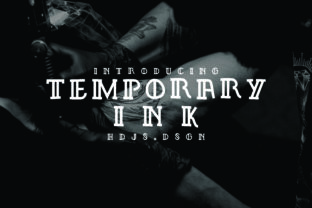
Temporary Ink is a Script Handwritten font that brings a unique, tattoo-inspired flair to your design projects. Its uppercase letters add visual weight and character, making it ideal for logos, branding, layouts, posters, and any digital content that needs an artistic yet legible touch. As a Fonts designer, I’ve found Temporary Ink to be a versatile tool that enhances both aesthetic appeal and readability in web and digital environments.
Temporary Ink for Logo Design and Brand Identity
When crafting a brand’s identity, the choice of Fonts plays a critical role in shaping perception. Temporary Ink offers a distinctive script style that feels personal and authentic, perfect for logos that need to stand out. Its bold, uppercase forms are especially effective for creating a memorable brand mark. Whether you're designing a boutique online store or a creative agency website, Temporary Ink can help establish a strong visual tone that aligns with your brand's personality.
Pairing Temporary Ink with a clean sans-serif font for body text ensures a balance between creativity and readability. This combination works well on landing pages, social media graphics, and even packaging design. The font’s stylized curves and sharp edges make it ideal for headers, call-to-action buttons, and section titles where impact matters most.
Temporary Ink for Website Headers and Hero Sections
The hero section of a website is where first impressions are made, and Temporary Ink excels in this space. Its uppercase letterforms command attention while maintaining clarity, making it suitable for headlines that need to be both eye-catching and easy to read. When used in a hero section, Temporary Ink can create a sense of urgency or exclusivity, which is particularly useful for product launches, course sales, or marketing campaigns.
For best results, ensure that Temporary Ink is used at a larger font size and with sufficient contrast against the background. On dark backgrounds, light-colored text will enhance legibility, while light backgrounds benefit from darker shades. Testing across different screen sizes and devices is essential to maintain readability on mobile and tablet displays.
Temporary Ink for Landing Pages and Conversion-Focused Layouts
In the world of digital marketing, Fonts like Temporary Ink can significantly influence user behavior. Its script style adds a touch of elegance and sophistication, making it ideal for landing pages that aim to convert visitors into customers. Whether it’s a coaching website, SaaS product page, or an online store, Temporary Ink can elevate the visual hierarchy and guide the user’s eye toward key messages and calls to action.
Use Temporary Ink sparingly—reserve it for headline text, subheadings, and button labels. Avoid overusing it in body copy, as its decorative nature may reduce readability. Instead, pair it with a simple, modern sans-serif font for the main content. This approach maintains a clean layout while allowing Temporary Ink to shine in the most impactful areas.
Temporary Ink for Social Media Graphics and Digital Ads
Social media and digital ads require fonts that are both engaging and legible at small sizes. Temporary Ink fits this requirement perfectly, thanks to its clear letterforms and strong visual presence. It works exceptionally well in Instagram posts, Facebook banners, and Google AdWords campaigns where quick scanning is key.
To optimize Temporary Ink for these platforms, consider using it in short phrases or taglines. Its uppercase style is especially effective for slogans, hashtags, and promotional text. Always test how the font looks on different platform backgrounds and ensure that it remains readable when scaled down or overlaid on images.
Temporary Ink for Blog Headers and Content Sections
Blogs and content websites rely heavily on typography to guide readers through long-form content. Temporary Ink can be used to highlight blog headers, section titles, and pull quotes, adding a touch of personality without overwhelming the reader. Its script style is particularly effective for creative blogs, lifestyle sites, and editorial content where a more expressive look is desired.
When incorporating Temporary Ink into blog sections, use it to emphasize key points or introduce new topics. Pair it with a serif or sans-serif font for body text to maintain a balanced reading experience. This approach ensures that the font remains a stylistic element rather than a distraction.
Temporary Ink for Online Stores and Product Listings
For e-commerce websites and online stores, Temporary Ink can help create a cohesive brand identity that resonates with your target audience. Use it for product titles, category headings, and promotional banners to add visual interest and reinforce brand tone. Its uppercase style is especially effective for highlighting limited-time offers or exclusive products.
Ensure that Temporary Ink is used consistently across all elements of your online store, including logo design, header text, and navigation menus. This consistency helps build brand recognition and trust, which are crucial for customer retention and conversion rates.
Temporary Ink for Web Designers and Digital Creators
As a Fonts designer, I recommend Temporary Ink to anyone looking to add a unique, artistic touch to their digital projects. Its versatility makes it suitable for a wide range of applications, from website headers to social media graphics. With its bold, uppercase style, Temporary Ink is a great choice for those who want to create a strong visual identity without sacrificing readability.
Before finalizing your design, always check the font’s file formats, webfont availability, and licensing terms. Ensure that Temporary Ink is compatible with your chosen platforms and that it meets your commercial font requirements for client projects and brand assets. By doing so, you’ll unlock the full potential of this Script Handwritten font and elevate your digital design work to the next level.